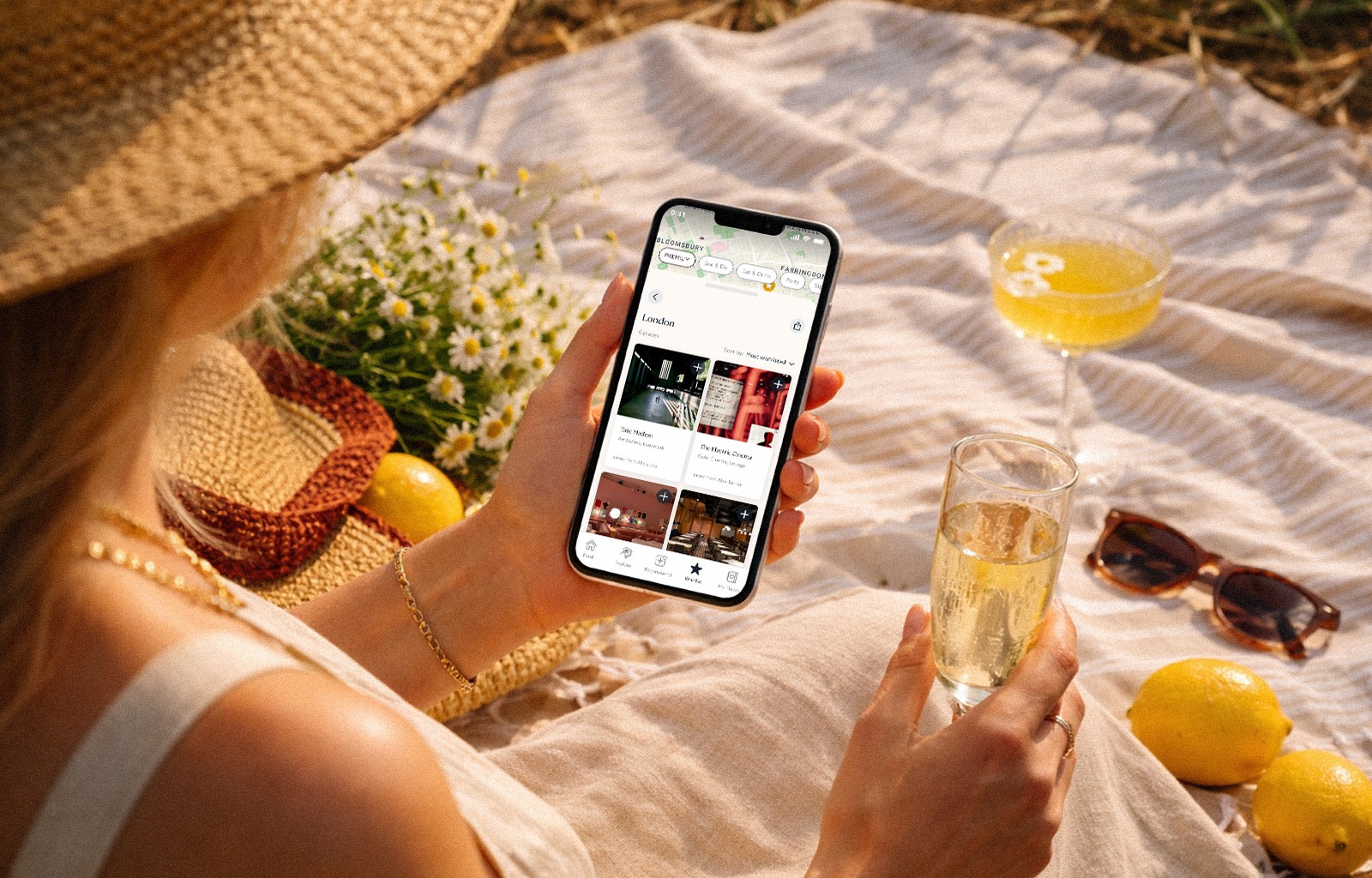
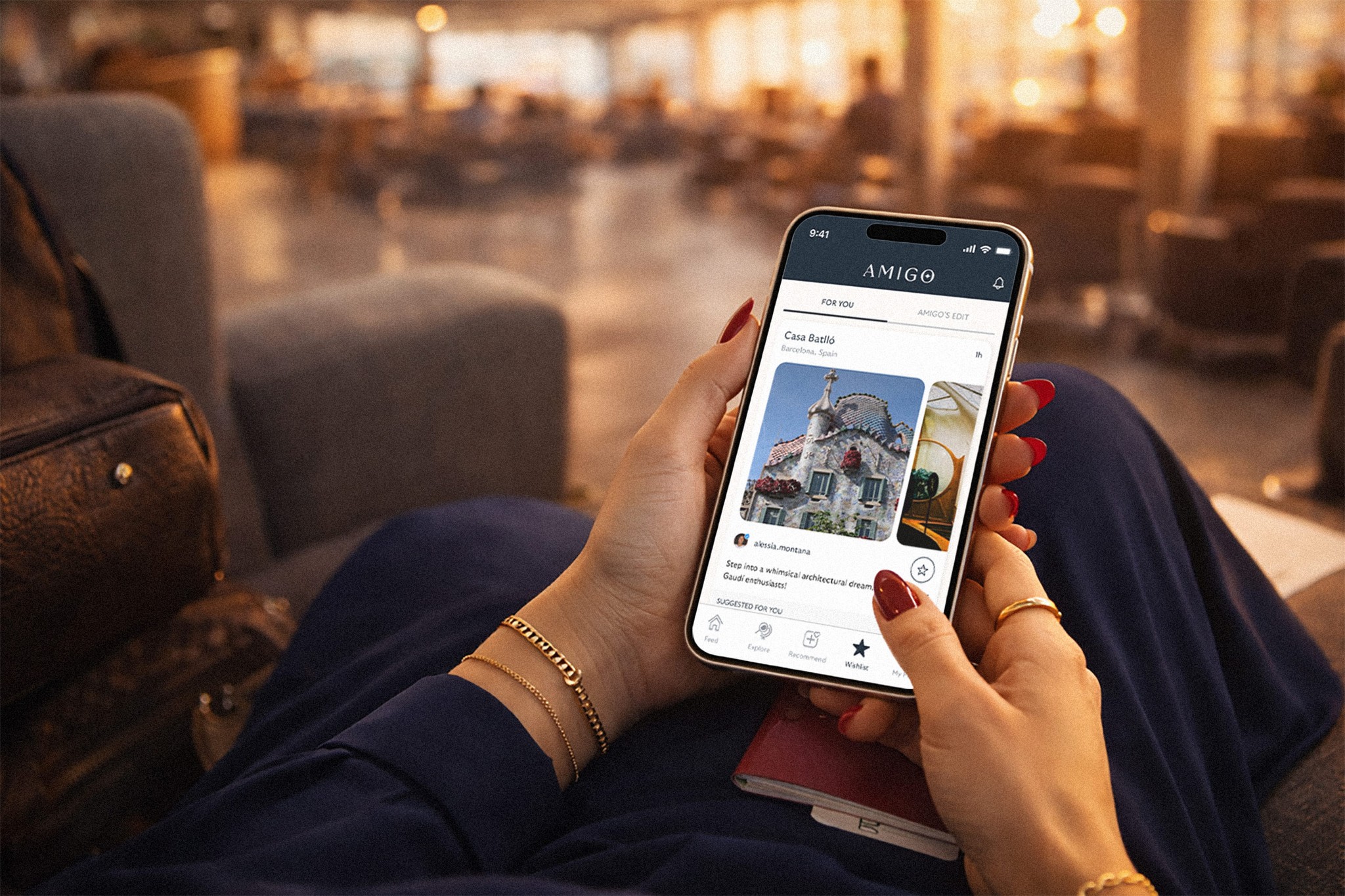
AmiGo is an invite-only travel app that offers trusted, high-quality recommendations from a global community. With curated recs from tastemakers, like-minded travelers, and editors, AmiGo helps users discover, save, and share hotels, restaurants, bars, shops, and more.
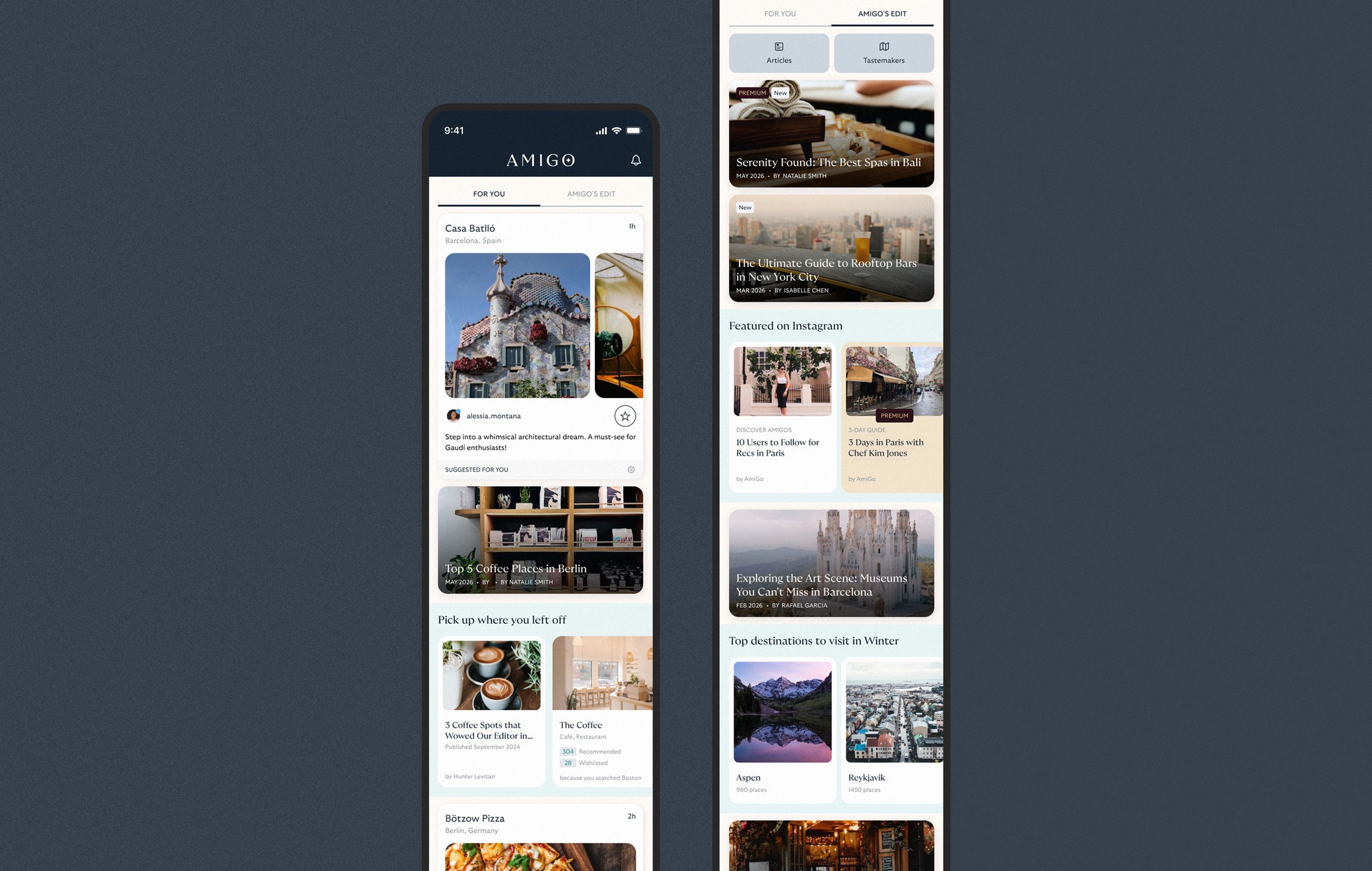
During my time there, I designed and owned end-to-end UX/UI flows across the app’s core surfaces, supporting AI-powered features and lauching a paid subscription. I led experiences for Feed, Explore, Search, Wishlist, Trip Builder, and Profile.
As the Senior Product Designer leading UX and UI across iOS and mobile web, I joined an existing product and focused on monetization, feature development, and system consistency. I partnered closely with PM and engineering, owned key flows and prototypes, improved the design system, and supported delivery through handoff and QA.
Product Design
UI Design
UX Design
Design System
Research
Product Discovery
Prototyping
QA
Figma
CLIENT
AmiGo Travel: Tips & Guides
PLATFORM
iOS
LEARN MORE
/
AmiGo had strong content and community value, but the product experience started to feel inconsistent as the app scaled quickly.
The UI relied on overlapping patterns and partial systems, which reduced clarity and made key flows feel fragmented across surfaces.
At the same time, the business needed a clear monetization foundation to support Premium subscription growth without compromising trust or perceived quality.
I was the sole designer supporting the engineering team, while also owning the design system foundations and partnering with the founders, PM, and stakeholders to define, design, and approve new features at a fast pace.
The challenge was to build on what already existed, establish a solid design system, and apply it across core flows to improve consistency and usability — while keeping delivery moving through rapid iterations, specs, QA, and stakeholder input.
/
Premium subscription — Designed end-to-end monetization flows (entry points, plan selection, and subscription management) while protecting trust and content quality.
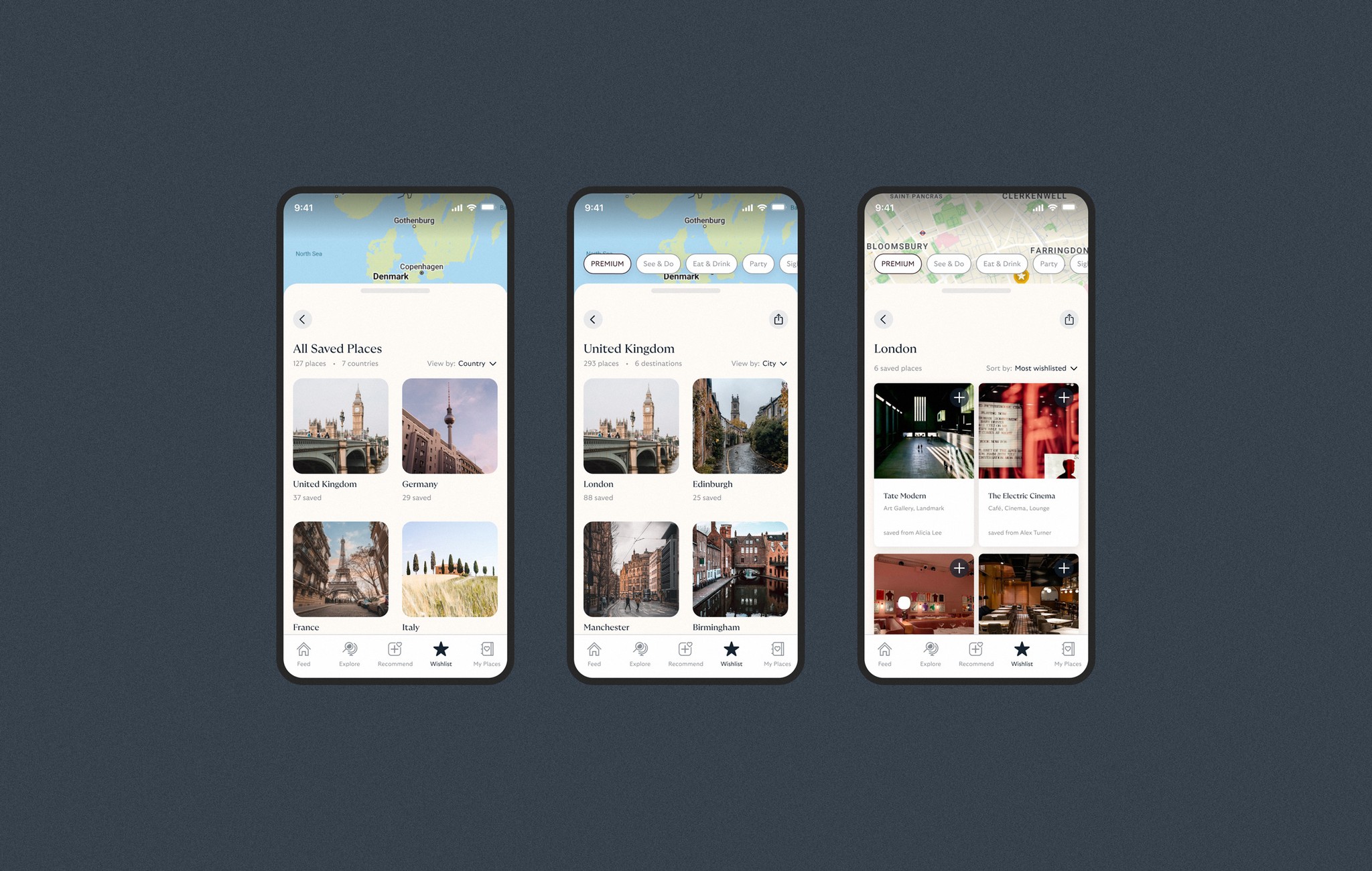
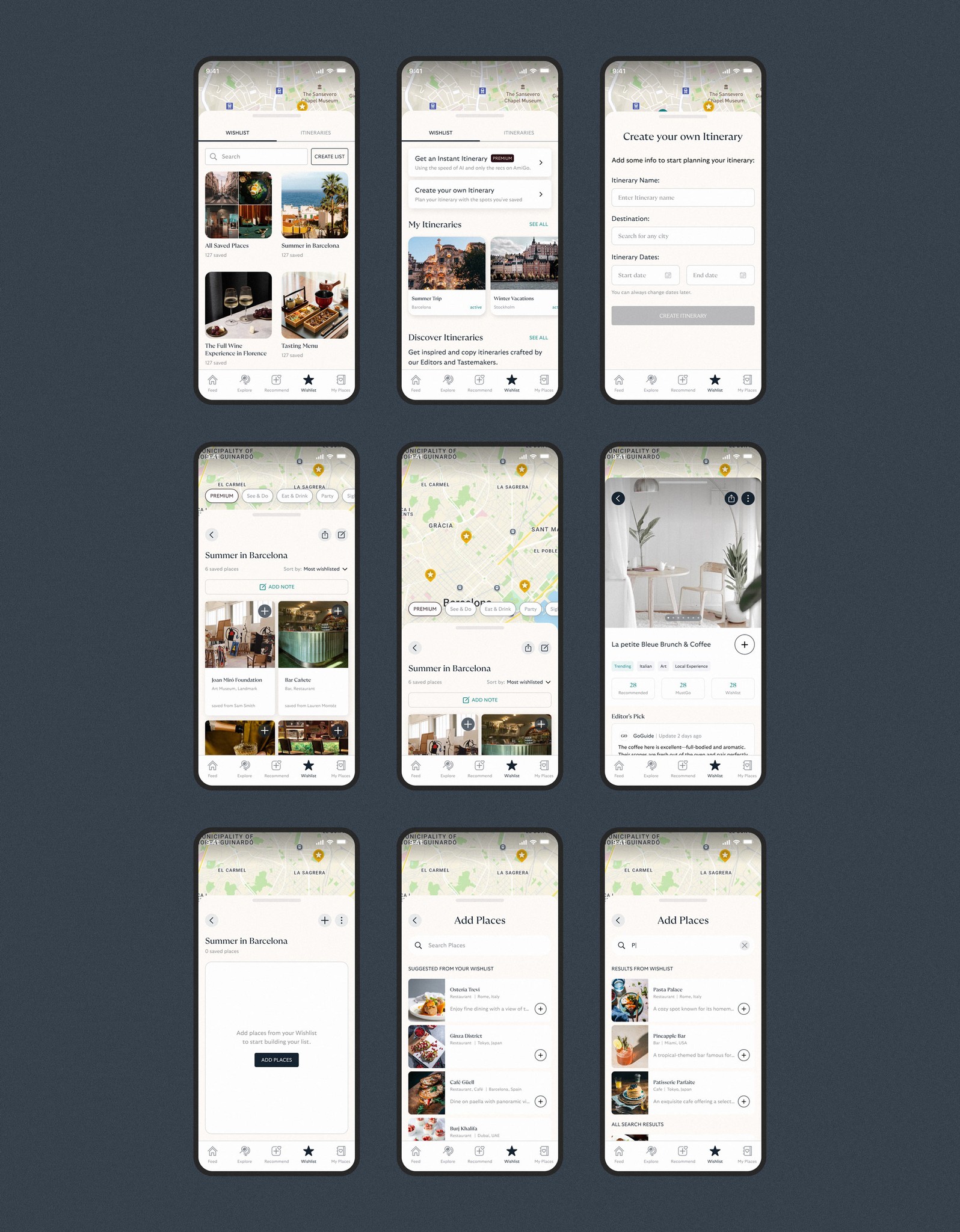
Core UX cleanup — Unified navigation and Wishlist patterns, reducing inconsistent behaviors across legacy screens.
Maps & planning — Defined map interactions and planning rules with clear documentation to align stakeholders and engineering.
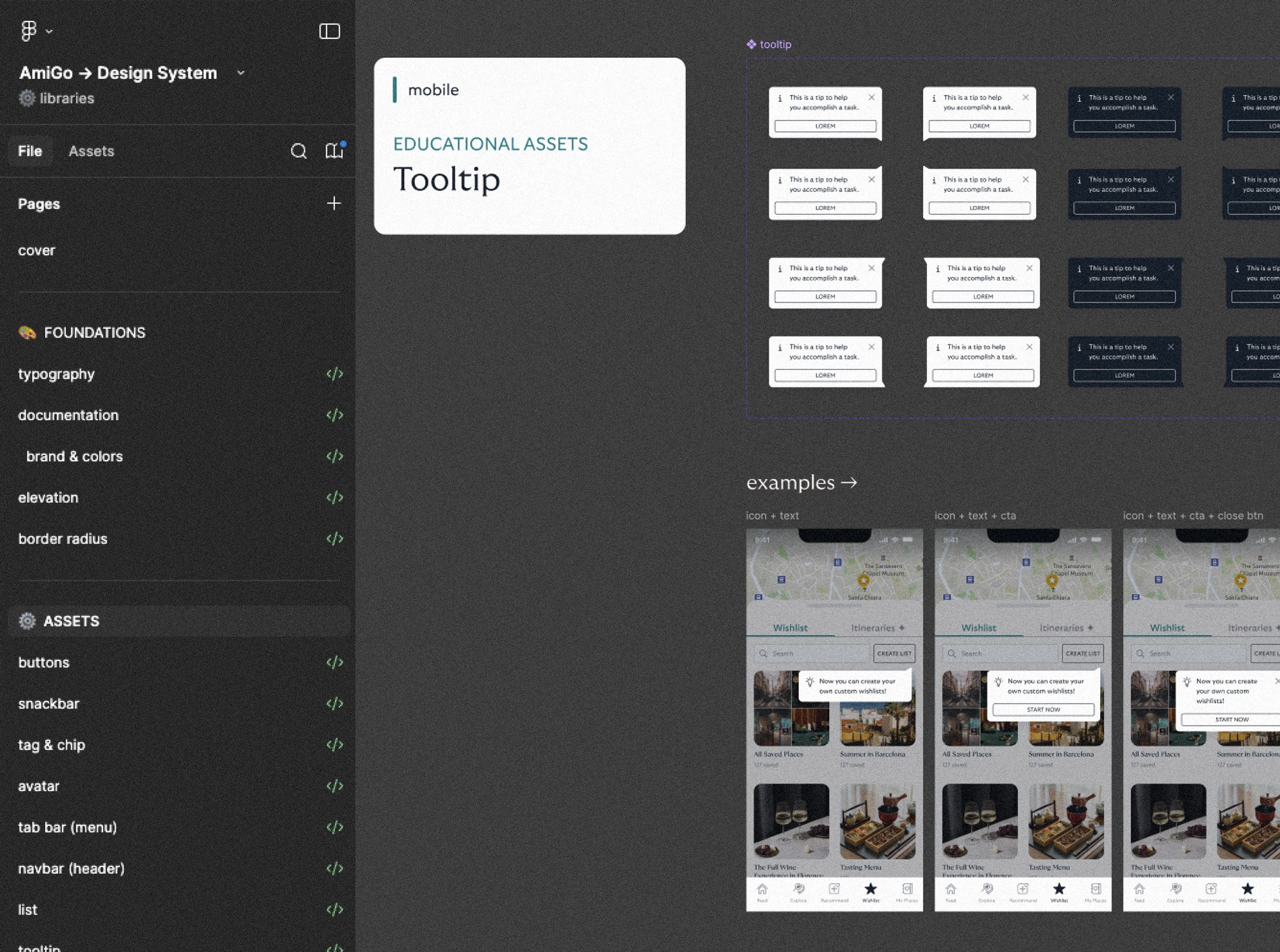
Design system — Expanded reusable components and patterns to reduce one-off UI and improve cohesion across the app.
Delivery & research support — Used prototypes + specs + implementation QA, plus benchmarks and interviews, to guide prioritization and reduce rework.
/
Supported Premium growth post-launch through a clearer subscription journey.
Improved product consistency by consolidating patterns and reducing fragmentation.
Increased engineering efficiency with stronger documentation, reusable components, and cleaner handoffs.
Reduced design-to-dev iteration loops through early alignment (prototypes) and implementation QA..
Shipped as the individual contributor product designer (IC) supporting an engineering team of ~8-10 developers across frequent releases.